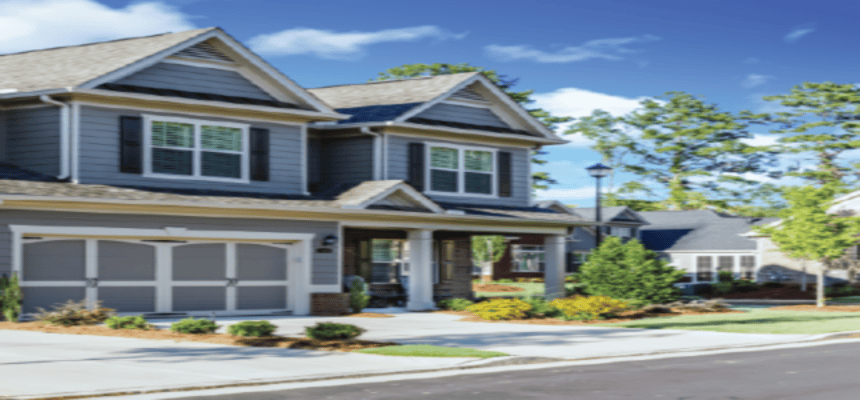
Finding a move-in-ready home in Casselman, Ontario, can be an exciting opportunity for buyers who want comfortable living space, a welcoming community, and access to Ottawa without taking on a major renovation project.
For many families, the ideal property is one where they can receive the keys, move in their furniture, unpack their belongings, and begin enjoying their new home without immediately spending thousands of dollars on repairs.
However, buying a move-in-ready property requires more than finding a house with fresh paint, attractive flooring, and a modern kitchen.
Some homes are genuinely well-maintained, with updated mechanical systems, quality renovations, and few immediate maintenance concerns. Others may look impressive in online photographs but have aging roofs, outdated electrical systems, hidden moisture problems, or asking prices that are difficult to justify when compared with similar properties.
For buyers searching houses for sale Casselman Ontario, move-in-ready homes in Casselman, realtor near Casselman, houses for sale near Ottawa Ontario, MLS listings map, or family homes east of Ottawa, understanding how to evaluate both the property’s condition and its asking price is essential.
At Wrigley Team, our approach focuses on helping buyers recognize genuine value rather than becoming distracted by cosmetic improvements or aggressive listing prices.
Whether a buyer is relocating from Ottawa, purchasing a first home, moving from Embrun or Russell, or searching for a property that better supports a growing family, the goal is to find a home that meets everyday needs while remaining financially manageable.
This guide explains how to identify move-in-ready homes in Casselman, compare asking prices, evaluate property condition, and avoid common mistakes before making an offer.
Why Casselman Is Worth Considering for Home Buyers East of Ottawa
Casselman is a municipality in the United Counties of Prescott and Russell, located east of Ottawa along the Highway 417 corridor.
Its location can appeal to buyers who want to explore housing opportunities outside Ottawa while maintaining road access toward the city and surrounding Eastern Ontario communities.
Casselman offers a smaller-community setting with residential neighbourhoods, local businesses, schools, recreation, and everyday services.
Depending on available inventory, buyers may encounter detached homes, semi-detached properties, townhomes, bungalows, and other residential options.
For some buyers, Casselman provides an opportunity to find a property with a different combination of space, layout, lot size, and asking price than the homes they have been considering in Ottawa.
However, buyers should not assume that every Casselman home is more affordable than every Ottawa property.
Actual value depends on the property type, condition, location, current inventory, and recent comparable sales.
Who Might Consider Buying in Casselman?
Casselman may appeal to several buyer groups.
First-time buyers may be looking for a manageable property that does not require immediate major renovations.
Growing families may want additional bedrooms, a finished basement, a garage, or a larger backyard.
Ottawa commuters may be willing to travel farther in exchange for a home that better fits their budget and lifestyle.
Downsizers may prefer a bungalow or smaller property with practical living space.
Remote and hybrid workers may prioritize an extra room for a dedicated home office.
Each buyer group defines value differently, which is why the search should begin with individual needs rather than a general assumption about the market.
What Does Move-In-Ready Actually Mean?
The phrase move-in-ready appears frequently in real estate listings.
However, it does not have one universal meaning.
A property described as move-in-ready may simply be clean, vacant, and available for immediate occupancy.
Another may have undergone substantial renovations.
A third may be relatively new and require limited immediate maintenance.
Buyers should define what move-in-ready means for their household.
Cosmetic Move-In-Ready
The home looks attractive and generally requires little decorating before occupancy.
Features may include:
- Fresh paint
- Modern lighting
- Updated flooring
- Clean kitchen and bathrooms
- Attractive landscaping
However, the mechanical systems may still be older.
Functionally Move-In-Ready
The property has a practical layout, working systems, and no obvious need for significant immediate repairs.
This may be more important than contemporary finishes.
Fully Renovated
The home may have undergone substantial improvements involving kitchens, bathrooms, flooring, windows, or other components.
Buyers should investigate the quality and scope of the work.
Newer Construction
A recently constructed property may have modern building systems and contemporary finishes.
However, newness does not eliminate the need for inspection or future maintenance.
A genuinely move-in-ready home should be evaluated according to its condition, functionality, safety, and likely near-term expenses—not simply its appearance.
1. Establish a Comfortable Budget Before Searching
One of the most effective ways to avoid overpaying is to establish a realistic purchase budget before becoming attached to a property.
Mortgage pre-approval can help buyers understand a potential financing range, but the maximum amount a lender may approve is not necessarily the amount a household should spend.
Buyers should also consider:
- Monthly mortgage payments
- Property taxes
- Insurance
- Utilities
- Transportation
- Maintenance
- Closing costs
- Emergency savings
A family may qualify for a more expensive property but prefer a lower purchase price to preserve financial flexibility.
This is especially important when relocating from Ottawa to Casselman.
A larger home may increase heating, cooling, maintenance, or transportation expenses.
The goal should be comfortable ownership rather than simply purchasing the most expensive home available.
2. Understand the Difference Between Asking Price and Market Value
A home’s asking price is the amount the seller is requesting.
It does not necessarily represent what the property is worth in the current market.
Some sellers price their homes competitively.
Others may set ambitious prices based on renovation expenses, personal expectations, or earlier market conditions.
Buyers should evaluate asking prices using recent comparable sales.
What Makes a Good Comparable Property?
Relevant comparisons should consider:
- Location
- Property type
- Finished living area
- Bedroom count
- Bathroom count
- Garage
- Lot size
- Age
- Condition
- Renovations
- Basement
- Sale date
A recently sold three-bedroom bungalow may not be an appropriate direct comparison for a large two-storey detached home with four bedrooms and a finished basement.
Similarly, a renovated property should not automatically be compared with an outdated home without considering the differences.
Our team helps buyers understand these distinctions before deciding what a reasonable offer may look like.
3. Compare Recently Sold Homes, Not Just Active Listings
When browsing houses for sale in Casselman, Ontario, buyers often focus on active listings.
These properties reveal what is currently available, but they do not establish what buyers have actually paid.
A property listed at $650,000 may eventually sell for a different amount.
Another home listed at $599,000 may have features that justify a higher or lower final sale price.
Recent completed transactions can provide a more useful foundation for valuation.
However, they still need to be interpreted in context.
Why Timing Matters
Real estate conditions can change.
A comparable sale from several months earlier may have occurred when inventory, financing costs, or buyer competition differed.
Buyers should prioritize relevant and sufficiently recent transactions while recognizing that no two properties are identical.
4. Look for Homes That Are Well Maintained, Not Just Recently Decorated
Fresh paint and modern furniture can make a property look impressive.
However, maintenance history often provides more meaningful information.
A home with an older but well-maintained kitchen may be a better purchase than one with a newly renovated kitchen and major unresolved mechanical problems.
Buyers should ask about:
- Roof age
- Furnace maintenance
- Air conditioning
- Windows
- Plumbing repairs
- Electrical updates
- Water damage
- Foundation concerns
- Previous renovations
The strongest move-in-ready properties often combine attractive presentation with evidence of consistent care.
5. Check the Roof Before Paying a Premium
A roof is one of the most important components of a home.
Replacing it can be a significant expense.
When evaluating a Casselman property, buyers should investigate the roof’s approximate age, material, visible condition, and available maintenance records.
Potential warning signs include:
- Missing shingles
- Curling or damaged roofing materials
- Visible deterioration
- Water staining in the attic
- Evidence of previous leaks
- Damaged flashing
A recently replaced roof may reduce one category of near-term maintenance risk.
However, buyers should not automatically add the entire replacement cost to the property’s market value.
The benefit should be evaluated in relation to comparable properties and overall condition.
6. Evaluate the Furnace and Air Conditioning
Heating is especially important in Eastern Ontario, where winter temperatures can create substantial demands on residential systems.
Before purchasing, buyers should ask:
- How old is the furnace?
- When was it last serviced?
- Has the air conditioning been maintained?
- Are maintenance records available?
- Are there known performance issues?
- Is any equipment rented?
A home may look completely renovated while still relying on aging mechanical systems.
Understanding potential replacement costs helps buyers evaluate whether the asking price reflects the property’s actual condition.
7. Inspect Windows and Doors
Windows and exterior doors influence comfort, energy efficiency, security, and maintenance.
During a showing, buyers should look for:
- Condensation between glass panes
- Damaged seals
- Drafts
- Difficult operation
- Deteriorated frames
- Signs of water intrusion
New windows can be a useful selling feature, but their installation quality and condition still matter.
Older windows do not automatically make a home unsuitable.
However, buyers should understand whether future replacement may be necessary.
8. Do Not Ignore the Basement
Basements can provide valuable additional space.
A finished basement may serve as:
- Family room
- Home office
- Children’s playroom
- Entertainment area
- Fitness room
- Guest space
However, finished walls and flooring can conceal important conditions.
Look for Moisture Warning Signs
Potential concerns include:
- Musty odours
- Water stains
- Warped flooring
- Peeling paint
- Dampness
- Evidence of previous flooding
Ask whether the property has experienced foundation leaks, sewer backups, or other water-related problems.
A basement that looks attractive during a showing should still be evaluated carefully.
9. Understand Whether Basement Renovations Were Properly Completed
If the basement has been renovated, ask about the scope of the work.
Questions may include:
- When was it finished?
- Who completed the renovation?
- Were permits required?
- Were permits obtained?
- Were electrical modifications inspected?
- Were bathrooms added?
- Are renovation records available?
A finished basement can add functionality, but buyers should not assume every room is approved for every advertised use.
For example, a room described as a bedroom may require additional verification regarding applicable safety and building requirements.
10. Evaluate the Kitchen for Functionality, Not Just Appearance
Kitchens often influence buyers emotionally.
Modern cabinets, attractive countertops, and new appliances can make a property memorable.
However, buyers should evaluate how the kitchen functions.
Consider:
- Counter space
- Cabinet storage
- Pantry
- Appliance placement
- Lighting
- Ventilation
- Workflow
- Dining space
A large kitchen island may look impressive but create circulation problems in a smaller room.
Similarly, expensive finishes may not compensate for inadequate storage.
The best kitchen is one that supports everyday cooking and family routines.
11. Inspect Bathrooms Carefully
Bathrooms are another area where cosmetic renovations can conceal underlying concerns.
During a showing, look at:
- Tile condition
- Grout
- Caulking
- Water pressure
- Drainage
- Ventilation
- Signs of leaks
- Cabinet condition
A newly renovated bathroom may be attractive, but buyers should ask whether plumbing changes were completed appropriately.
For families, bathroom count and location can be just as important as finishes.
A home with three functional bathrooms may provide greater daily convenience than a similarly priced property with one luxurious bathroom.
12. Consider the Age and Condition of Appliances
A move-in-ready listing may include appliances, but buyers should verify exactly what is included in the sale.
Potential inclusions may involve:
- Refrigerator
- Stove
- Dishwasher
- Washer
- Dryer
- Microwave
- Window coverings
Buyers should also ask about appliance age and known issues.
Do not assume that every appliance visible during a showing will remain after closing.
The agreement of purchase and sale should identify the included items clearly.
13. Evaluate the Electrical System
A home’s electrical system supports everyday comfort and safety.
Buyers should look for obvious concerns such as damaged outlets, exposed wiring, unusual electrical modifications, or malfunctioning fixtures.
Important questions may include:
- Has the electrical panel been updated?
- Were major renovations completed?
- Were appropriate electrical approvals obtained?
- Are there enough outlets for modern needs?
- Does the property support planned appliances or equipment?
A professional inspection can help identify visible issues, while a licensed electrical professional may be needed for specialized concerns.
14. Look at the Property’s Exterior Condition
Curb appeal can make a strong first impression, but buyers should evaluate the exterior beyond landscaping.
Consider:
- Siding
- Brickwork
- Foundation
- Gutters
- Downspouts
- Driveway
- Walkways
- Deck
- Fence
- Exterior drainage
A well-maintained exterior may indicate consistent care.
However, buyers should remain alert to signs of deferred maintenance.
A damaged driveway, failing deck, or deteriorated fence can create expenses after closing.
15. Compare Lot Size and Backyard Functionality
Families moving from Ottawa to Casselman may be particularly interested in outdoor space.
However, a larger lot is not automatically more valuable.
Consider whether the backyard provides enough usable space for:
- Children
- Pets
- Gardening
- Outdoor dining
- Recreation
- Storage
Other factors include privacy, sun exposure, grading, and maintenance.
A smaller fenced backyard may be more practical than a larger property with drainage issues or extensive upkeep.
16. Consider Garage and Parking Space
Garage and parking arrangements can influence daily convenience.
For households with multiple vehicles, insufficient parking may become frustrating.
Evaluate:
- Garage size
- Driveway capacity
- Storage
- Winter parking
- Access to the house
- Condition of garage doors
A double garage may provide significant value to some families.
Others may prefer additional living space or a larger backyard.
The best choice depends on household priorities.
17. Research the Neighbourhood Before Making an Offer
A move-in-ready home should be located in a neighbourhood that works for the buyer.
Before purchasing, explore the surrounding area.
Consider:
- Traffic
- Noise
- Nearby services
- Parks
- Schools
- Walking routes
- Neighbouring properties
- Future development
Visit at different times if possible.
A quiet street during a weekend showing may experience different activity on weekday mornings.
The neighbourhood cannot be changed as easily as interior finishes.
18. Test the Commute to Ottawa
Casselman’s location along Highway 417 may appeal to people working in Ottawa.
However, travel time depends on the actual destination, traffic, weather, and commuting schedule.
A buyer working in Orleans may have a different commute from someone travelling to downtown Ottawa or Kanata.
Before purchasing, test the route during normal commuting hours.
Consider:
- Fuel
- Vehicle maintenance
- Winter conditions
- Parking
- Time spent travelling
- Hybrid work arrangements
A home that appears more affordable may not deliver better overall value if transportation costs and commuting demands become difficult.
19. Compare Property Taxes and Utilities
The purchase price is only one part of homeownership.
Buyers should verify the actual property taxes for the home they are considering.
Casselman property tax bills incorporate municipal, regional, and education components, with the amount influenced by assessment, property classification, and applicable tax rates.
Buyers should use the specific property’s tax information rather than assuming every house in the municipality has similar annual costs.
Utilities also matter.
A larger home may require more heating and cooling.
An older property may have different energy characteristics from a newer one.
Request available utility information when practical, while recognizing that usage varies between households.
20. Understand Water and Sewer Servicing
Before purchasing, buyers should confirm how the property receives water and manages wastewater.
The Municipality of Casselman administers municipal water and sanitary sewer services and has planning policies related to servicing capacity for development.
This is particularly relevant when buyers are considering newly developed properties, additions, or potential additional residential units.
For an existing home, verify:
- Water connection
- Sewer connection
- Applicable charges
- Known servicing issues
- Any planned work affecting the property
Buyers should not assume that every property in the broader surrounding area has the same servicing arrangement.
21. Be Careful With Recently Renovated Homes
A recently renovated home can be attractive because it may reduce the need for immediate work.
However, buyers should distinguish between quality improvements and superficial updates.
Cosmetic Renovations
These may include:
- Paint
- Flooring
- Light fixtures
- Cabinet hardware
- Decorative finishes
More Substantial Renovations
These may include:
- Plumbing changes
- Electrical modifications
- Structural alterations
- New bathrooms
- Window replacement
- Foundation repairs
More substantial work may require permits, inspections, or specialized documentation.
Ask about the renovations before assuming the property is fully updated.
22. Do Not Pay a Premium for Renovations You Would Not Choose
A seller may have invested heavily in custom finishes.
However, those improvements may not provide equal value to every buyer.
For example, a property may feature:
- Expensive decorative lighting
- Luxury countertops
- Custom cabinetry
- Specialized entertainment systems
These features can be appealing, but they should not distract from the home’s overall value.
Buyers should ask whether the improvements meaningfully enhance their lifestyle or simply make the listing appear more expensive.
The seller’s renovation cost does not automatically establish the home’s market value.
23. Compare Move-In-Ready Homes With Properties Needing Minor Cosmetic Work
Sometimes the best value is not the most visually impressive home.
A property requiring minor cosmetic improvements may offer a better financial opportunity.
For example, consider two hypothetical Casselman homes.
Home A: Recently painted, updated flooring, renovated kitchen, and a higher asking price.
Home B: Well-maintained roof and mechanical systems, functional layout, older flooring, and a lower asking price.
If Home B requires only manageable cosmetic work, it may offer stronger value.
However, the comparison depends on actual costs.
Buyers should obtain realistic renovation estimates before assuming a lower-priced property is the better purchase.
24. Avoid Homes That Only Look Affordable
A lower asking price can create excitement.
However, a property may require substantial spending after closing.
Potential expenses include:
- Roof replacement
- Furnace replacement
- Window upgrades
- Foundation repairs
- Electrical improvements
- Plumbing repairs
- Basement waterproofing
These costs can change the affordability calculation.
A higher-priced home in better condition may sometimes be more financially manageable than a cheaper property requiring immediate major repairs.
The goal is to understand the complete cost of making the property suitable for long-term ownership.
25. Calculate the True Cost of Buying a Home in Casselman
Before submitting an offer, buyers should prepare a realistic financial plan.
In addition to the purchase price, consider:
- Down payment
- Ontario land transfer tax
- Legal fees
- Home inspection
- Appraisal, if required
- Mortgage-related expenses
- Insurance
- Moving expenses
- Utility adjustments
- Immediate repairs
Eligible first-time buyers may qualify for Ontario’s land transfer tax refund, subject to the applicable requirements.
Buyers should confirm eligibility and closing costs with their lawyer and mortgage professional rather than assuming a rebate automatically applies.
26. Do Not Skip the Home Inspection
A professional home inspection can be one of the most useful steps in evaluating a move-in-ready property.
A standard inspection generally examines visible and accessible components, such as:
- Roof
- Foundation
- Plumbing
- Electrical systems
- Heating
- Cooling
- Windows
- Doors
- Insulation
- Ventilation
- Drainage
However, a home inspection is not a guarantee that every defect will be discovered.
Concealed issues may remain undetected.
If the inspector identifies concerns requiring specialized evaluation, buyers should consider additional professional advice.
A beautiful home should still be inspected carefully.
27. Understand What the Inspection Report Means
An inspection report may identify minor maintenance issues alongside more significant concerns.
Not every item requires abandoning the purchase.
Buyers should distinguish between:
Routine Maintenance
Examples may include minor caulking repairs or small adjustments.
Near-Term Replacements
These may involve aging systems or components approaching the end of their expected service life.
Significant Defects
These may include structural concerns, major water intrusion, or serious safety issues.
The appropriate response depends on the severity, cost, and buyer’s ability to address the problem.
A qualified contractor may be needed to estimate repair expenses.
28. Avoid Making an Offer Based Solely on Online Photographs
Professional real estate photography is designed to present a property attractively.
Wide-angle lenses, lighting, and careful staging can make rooms appear spacious.
However, photographs cannot fully communicate:
- Noise
- Odours
- Traffic
- Room proportions
- Maintenance concerns
- Neighbourhood character
- Natural light throughout the day
Buyers should tour properties whenever possible and evaluate how the space feels in person.
A move-in-ready home should work in real life, not just in photographs.
29. Look for Signs of Rushed Renovations
Some homes are renovated shortly before listing.
That is not inherently concerning, but buyers should examine workmanship.
Potential warning signs include:
- Uneven flooring
- Poorly fitted trim
- Inconsistent paint finishes
- Loose fixtures
- Improperly finished tile
- Doors that do not close correctly
- Unusual transitions between materials
Minor imperfections may be cosmetic.
However, repeated workmanship concerns can justify further investigation.
30. Understand How Long the Property Has Been Listed
Days on market can provide useful context, but they do not establish value on their own.
A property may remain available because:
- The asking price is too high
- Buyer demand is limited
- The layout is unusual
- The property requires repairs
- The seller has specific conditions
- Marketing has not reached the right audience
Buyers should also investigate whether the property was previously listed, withdrawn, or repriced.
A longer listing period may create an opportunity for negotiation, but it does not guarantee that the seller will accept a lower offer.
31. Do Not Assume Every Seller Will Negotiate
Some buyers believe every listing price is intentionally inflated.
Others assume that a property with a recent price reduction must be a bargain.
Neither assumption is reliable.
Negotiating flexibility depends on:
- Seller motivation
- Property condition
- Market competition
- Recent comparable sales
- Listing history
- Offer terms
- Closing requirements
A strong offer strategy should be supported by evidence rather than arbitrary discount percentages.
32. Understand the Importance of Offer Conditions
An offer involves more than the purchase price.
Depending on the transaction, buyers may consider conditions related to:
- Financing
- Home inspection
- Sale of an existing property
- Review of relevant documents
- Other property-specific due diligence
Conditions can provide important protections, although their suitability depends on the circumstances.
Buyers should understand the implications of removing or waiving conditions before making that decision.
33. Do Not Overpay During a Competing-Offer Situation
Competition can create pressure.
A buyer may worry that losing one property means missing the only suitable home available.
However, emotional decisions can lead to financial regret.
Before participating in a competing-offer situation, establish:
- Maximum comfortable price
- Required conditions
- Closing preferences
- Repair budget
- Financial limits
A buyer should not exceed a sustainable budget simply because other offers exist.
Winning the offer is not the same as making a sound purchase.
34. Consider the Appraisal Risk
A lender may require an appraisal.
If the appraisal does not support the agreed purchase price, financing may become more complicated.
This is one reason buyers should be cautious about offering substantially above comparable market evidence.
A purchase should be financially supportable, not merely competitive.
35. Compare Casselman With Embrun, Russell, and Limoges
Buyers searching east of Ottawa should consider whether nearby communities provide better alternatives.
Casselman
May appeal to buyers interested in a smaller community, established residential neighbourhoods, and Highway 417 access.
Embrun
May provide a different mix of newer and established family housing.
Russell
May appeal to buyers seeking family-oriented neighbourhoods and a small-community atmosphere.
Limoges
May offer newer residential developments and different housing configurations.
A buyer should compare equivalent homes across these communities rather than assume one location always offers the lowest prices.
36. Compare Casselman With Rockland and Clarence-Rockland
Rockland and the broader Clarence-Rockland area may also provide alternatives.
Depending on the property, buyers may encounter:
- Detached homes
- Townhomes
- Bungalows
- Newer developments
- Established neighbourhoods
- Rural properties
Each community offers a different balance of commute, amenities, property type, and lifestyle.
The strongest purchase may not be located where the search originally began.
37. Consider the Needs of Growing Families
A move-in-ready home should provide enough flexibility for future changes.
Families may eventually need:
- Another bedroom
- Home office
- Additional storage
- Finished basement
- Larger backyard
- Guest accommodation
- More parking
A property that meets today’s requirements but cannot adapt to foreseeable needs may lead to another move sooner than expected.
Buyers should consider how long the home is likely to remain suitable.
38. Think About Long-Term Resale Appeal
Even when purchasing a long-term family home, buyers should consider future marketability.
Features that may appeal to a broad range of buyers include:
- Functional layout
- Practical bedroom count
- Adequate bathrooms
- Garage or parking
- Useful outdoor space
- Good maintenance
- Convenient location
However, resale performance cannot be guaranteed.
Future property values depend on market conditions, location, housing supply, property condition, and buyer demand.
The best approach is to purchase a home that makes sense today while maintaining reasonable flexibility for the future.
39. Create a Property Comparison Worksheet
When viewing several Casselman homes, it can become difficult to remember which property offered which features.
A simple worksheet can help.
For each property, record:
| Category | What to Compare |
|---|---|
| Asking price | Price relative to comparable sales |
| Bedrooms | Number and functionality |
| Bathrooms | Count, location, condition |
| Kitchen | Layout, storage, appliances |
| Basement | Finished, unfinished, moisture concerns |
| Roof | Age and visible condition |
| Heating | Age and maintenance |
| Windows | Condition and operation |
| Garage | Size and parking capacity |
| Lot | Dimensions, privacy, drainage |
| Taxes | Property-specific annual amount |
| Repairs | Immediate and near-term expenses |
| Commute | Actual route and travel requirements |
| Overall value | Price, condition, location, functionality |
This helps buyers compare homes objectively instead of remembering only the most attractive features.
40. Recognize When a Home Is Worth Paying More For
Avoiding overpayment does not necessarily mean purchasing the least expensive property.
A higher asking price may be justified when the home offers meaningful advantages.
Examples include:
- Better location
- Superior condition
- More functional layout
- Updated major systems
- Larger usable living space
- Finished basement
- Garage
- Completed outdoor improvements
The important question is whether the premium is supported by comparable sales and the property’s actual features.
A well-maintained home that requires limited immediate work may provide better value than a cheaper property with significant repair needs.
Common Mistakes Buyers Make When Searching for Move-In-Ready Homes in Casselman
Mistake 1: Assuming Fresh Paint Means the Entire Home Is Updated
Cosmetic improvements do not establish the condition of mechanical or structural components.
Mistake 2: Ignoring Comparable Sales
The asking price should be evaluated against relevant market evidence.
Mistake 3: Skipping a Home Inspection
Even attractive, recently renovated properties can have hidden problems.
Mistake 4: Underestimating Closing Costs
Buyers need funds beyond the down payment.
Mistake 5: Overlooking the Commute
Transportation costs and time can affect overall affordability.
Mistake 6: Paying Too Much for Decorative Features
Expensive finishes do not always translate into equivalent market value.
Mistake 7: Ignoring Future Maintenance
Every home requires ongoing care.
Mistake 8: Becoming Emotionally Attached Too Early
Buyers should remain prepared to walk away when the numbers or property condition do not make sense.
Mistake 9: Comparing Only Asking Prices
Total ownership costs matter more than the listing price alone.
Mistake 10: Limiting the Search Too Narrowly
Exploring nearby communities can reveal different opportunities.
How Our Team Helps Buyers Find Move-In-Ready Homes in Casselman
At Wrigley Team, we understand that buyers want more than an attractive property.
They want confidence that the home fits their needs, that the asking price is reasonable, and that major concerns have been investigated before they commit.
Our approach focuses on practical property evaluation and informed decision-making.
We Begin With the Buyer’s Priorities
We discuss:
- Budget
- Property type
- Bedrooms
- Bathrooms
- Garage
- Basement
- Backyard
- Commute
- Maintenance preferences
- Future plans
This helps identify which homes are genuinely suitable.
We Compare Available Properties
We evaluate current listings in Casselman and surrounding communities.
We Review Comparable Sales
We examine relevant market information to help buyers understand how the asking price compares with recent transactions.
We Look Beyond Cosmetic Improvements
We help buyers consider the property’s condition, layout, major systems, and likely maintenance needs.
We Support Due Diligence
Where appropriate, we help buyers identify questions for home inspectors, lawyers, mortgage professionals, contractors, and municipal departments.
We Help Develop an Offer Strategy
We consider the property’s value, competition, condition, and the buyer’s financial comfort.
We Explore Nearby Communities
Our team also helps buyers compare properties in Embrun, Russell, Limoges, Rockland, Clarence-Rockland, Orleans, Greely, Metcalfe, and Ottawa.
The objective is to find the right property rather than simply complete a transaction.
Frequently Asked Questions About Houses for Sale in Casselman, Ontario
Is Casselman, Ontario a good place to buy a home?
Casselman may appeal to buyers looking for a smaller-community environment, residential housing options, and access to Highway 417. Whether it is the right location depends on the buyer’s budget, commute, lifestyle, and available properties.
Are houses in Casselman cheaper than Ottawa?
Some properties may offer different price opportunities, but pricing depends on property type, condition, location, and current market conditions. Buyers should compare similar homes rather than assume Casselman is always less expensive.
What does move-in-ready mean in a real estate listing?
It generally suggests that a property is suitable for occupancy without major immediate work. However, the phrase is subjective and does not guarantee that all systems are new or that the property has no defects.
How can I tell if a Casselman home is overpriced?
Review recent comparable sales, active listings, property condition, renovation quality, lot size, and other relevant features. A property-specific market analysis can help establish a reasonable price range.
Should I buy a renovated home or one that needs minor improvements?
Both can offer value. A renovated home may provide convenience, while a property requiring manageable cosmetic work may offer a different financial opportunity. Compare purchase price, renovation costs, and condition.
Do I need a home inspection on a move-in-ready property?
A home inspection is strongly advisable. It can help identify visible concerns involving the property’s structure and major systems, although it cannot guarantee that every concealed defect will be discovered.
Is a finished basement worth paying extra for?
It may be, depending on the quality, layout, condition, ceiling height, moisture history, and how much useful space it provides. Its value should be evaluated against comparable properties.
Can I negotiate the price of a move-in-ready home?
Possibly. Negotiating flexibility depends on market conditions, seller circumstances, comparable sales, property condition, and offer terms.
Should I buy in Casselman or Embrun?
Both communities may offer suitable housing. The right choice depends on actual inventory, budget, commute, amenities, neighbourhood preferences, and property condition.
Should I consider Russell or Limoges too?
Yes. Expanding the search may reveal additional homes that meet the buyer’s requirements.
What are the biggest expenses after buying a home?
Potential expenses include mortgage payments, property taxes, insurance, utilities, maintenance, repairs, and transportation. Buyers should also budget for closing costs and unexpected expenses.
How do I avoid overpaying in a competitive market?
Establish a comfortable maximum budget, review comparable sales, evaluate property condition, understand financing, and avoid allowing emotional pressure to override financial judgment.
Final Thoughts: Finding Real Value in Casselman, Ontario
For buyers searching houses for sale Casselman Ontario, move-in-ready homes Casselman, realtor near Casselman, houses for sale near Ottawa Ontario, MLS listings map, family homes east of Ottawa, or detached homes in Casselman, the goal should be to find a property that offers more than an attractive appearance.
A move-in-ready home should provide comfort, functionality, sound maintenance, and a purchase price that makes sense when compared with similar properties.
Buyers should look beyond fresh paint and updated countertops.
Investigate the roof.
Evaluate the furnace.
Check the windows.
Review the basement.
Understand renovation history.
Examine the exterior.
Compare lot sizes.
Research the neighbourhood.
Test the commute.
Calculate closing costs.
Review recent sales.
And obtain appropriate professional inspections and advice.
A well-maintained home may justify a higher purchase price when its condition and features support that value.
Conversely, an attractive property may not represent a sound purchase if the asking price is excessive or major repairs are likely.
At Wrigley Team, we help buyers compare opportunities throughout Casselman, Embrun, Russell, Limoges, Rockland, Clarence-Rockland, Orleans, Greely, Metcalfe, and Ottawa, focusing on practical features, property condition, current market evidence, and long-term ownership considerations.
Finding a move-in-ready home without overpaying is not about securing the lowest possible price. It is about purchasing the right property, in the right location, at a price supported by its condition, features, and the market.