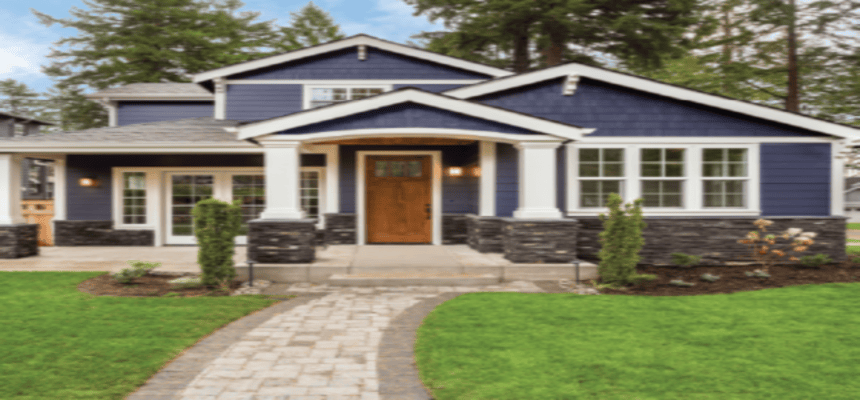
Rural homes near Ottawa can offer more land, privacy, and room for hobbies or outbuildings. Communities such as Metcalfe, Russell, Greely, and areas around Kemptville and Embrun provide options for buyers who want to live outside the city while remaining within reach of Ottawa.
A rural property can also come with systems and responsibilities that are less common in an urban home. Before making an offer, look closely at water, septic, access, zoning, utilities, and ongoing maintenance. A careful review helps you understand how the property works and whether it suits your plans.
Confirm How the Property Is Serviced
Rural homes may use private systems rather than municipal water and sewer. Confirm what services are connected to the property and ask for relevant records before you commit.
Well Water
If the home relies on a private well, ask for available water test results, well records, and service history. A qualified professional can assess the well and recommend appropriate testing. Water quality and well output are separate questions: a test can assess water characteristics, while an inspection may examine the well equipment and its ability to meet household needs.
Consider how many people will live in the home and whether you expect high water use, such as frequent laundry, gardening, or filling a pool. Ask about the pump, pressure tank, filtration or treatment equipment, and the age of each component. Include possible maintenance or replacement costs in your budget.
Septic System
Ask for septic permits, inspection records, maintenance history, and information about the system’s location and capacity. A septic professional can inspect the system and explain its condition, age, and likely maintenance requirements.
Find out where the tank and leaching bed are located, what areas must remain clear, and whether the system is appropriate for the home’s current use. Future renovations, added bedrooms, or increased occupancy may affect septic requirements. Check with the appropriate authorities and qualified professionals before assuming the system can support changes.
Check the Lot, Boundaries, and Easements
A large lot can be a major attraction, but it is important to understand exactly what you are buying. Review the survey, if available, and confirm the legal boundaries. Fences, hedges, driveways, and paths do not always follow property lines.
Ask whether the property has easements, shared driveways, rights of way, or other agreements that affect access or use. A lawyer can help interpret the documents and explain any obligations that transfer with the property.
Also look at the shape and condition of the land. Consider drainage, slopes, tree cover, low-lying areas, and how water moves across the property during heavy rain or spring thaw. If you plan to add a garage, workshop, garden, or other feature, confirm that the location is feasible and permitted.
Understand Zoning and Permitted Uses
Rural properties can be subject to zoning rules that affect how the land may be used. Before buying, verify the zoning and any applicable restrictions with the municipality. Do this before relying on plans to operate a home business, keep certain animals, build an accessory structure, divide the land, or make a major renovation.
Ask whether there are conservation, flood, or other land-use constraints. If the property includes a creek, wet area, or significant natural feature, additional rules may apply. The municipality or relevant authority can advise which requirements apply to the specific address.
Do not assume that a previous owner’s use automatically means you can continue it or expand it. Confirm permissions and permits before making plans.
Evaluate the Home’s Heating and Energy Systems
Rural homes may use heating systems such as propane, oil, electric, or wood, sometimes in combination. Ask which systems serve the home, how old they are, and when they were last maintained. Request service records and, where possible, recent fuel or utility information.
A qualified technician can assess major equipment and identify maintenance or replacement needs. Ask how fuel is delivered, where tanks are located, and whether there are rental or service agreements. If the home uses a wood stove or fireplace, have it inspected and confirm that it has been maintained appropriately.
Also review insulation, windows, ventilation, and air sealing. A larger or older home may have higher heating costs, especially during an Ottawa-area winter. Ask for utility bills covering more than one season so you can get a fuller picture.
Confirm Internet, Cell Service, and Utilities
Internet and mobile coverage can vary by location, even between nearby rural roads. Check service availability at the exact address with providers and, if possible, test mobile reception during a visit.
Ask what kind of internet connection is available, what speeds are offered, and whether installation requires additional work or fees. If you work remotely, need reliable video calls, or rely on connected equipment, confirm that the service meets your needs before making an offer.
Ask about electricity reliability, backup power, and any generator or transfer equipment included with the home. A generator should be inspected by a qualified professional, and buyers should understand how it operates and what maintenance it requires.
Assess Road Access and Winter Maintenance
Consider how you will reach the property in every season. Check the condition of the driveway, its length and slope, drainage, turning area, and parking. A long driveway may require more time and expense to clear after snowfall.
Ask whether the road is municipally maintained or private. For private roads, review any maintenance agreements, shared costs, or responsibilities. Confirm who handles snow clearing, repairs, and seasonal upkeep.
During a visit, consider the route to work, schools, groceries, healthcare, and other regular destinations. If you commute to Ottawa, test the drive at your usual travel time and think about how weather, traffic, and road conditions may affect the trip.
Inspect Outbuildings and Property Features
Rural properties may include garages, barns, sheds, workshops, fences, pools, or other structures. Ask about the age, condition, permits, and intended use of each feature. A building that looks useful may need repairs or may not be approved for the use you have in mind.
Check roofs, foundations, doors, electrical service, drainage, and signs of moisture or pest damage. If an outbuilding has power, heating, or plumbing, have those systems reviewed by qualified professionals. Ask whether the structure is included in the sale and whether there are records of its construction or upgrades.
If the property has a pool, confirm what equipment and safety features are included and what maintenance is expected. For livestock or agricultural use, verify applicable zoning, permits, and any additional requirements.
Review the Home’s Condition and Maintenance Needs
A rural home may have the same major components as an urban home, but repairs can require longer travel, specialized contractors, or different equipment. Arrange a thorough home inspection and consider additional inspections for systems such as the well, septic, chimney, heating equipment, or outbuildings.
Pay attention to:
- Roof and attic condition
- Foundation and signs of water entry
- Grading and drainage around the home
- Plumbing and electrical systems
- Heating, cooling, and ventilation
- Windows, doors, and insulation
- Driveways, retaining walls, and exterior structures
- Signs of pests or moisture in basements and crawl spaces
Ask the seller about known issues and recent repairs. Review invoices, warranties, permits, and service records. If a problem is identified, get a qualified assessment and estimate before deciding how it affects your offer.
Budget for Rural Ownership
The purchase price is only one part of the cost. Build a budget that includes mortgage payments, property taxes, insurance, utilities, fuel, maintenance, and closing costs. Add likely expenses for well and septic care, driveway maintenance, tree work, snow clearing, and repairs to outbuildings.
Insurance coverage and pricing can depend on the property’s location, systems, and use. Contact an insurer early to confirm that the home is insurable and understand any conditions or limitations. If the property has a wood stove, older wiring, a private road, or other specific features, disclose them when requesting a quote.
A larger property may require equipment or paid services for routine work. Consider the time and cost of mowing, clearing snow, maintaining trees, and managing drainage before deciding how much land is right for you.
Questions to Ask Before Making an Offer
Before submitting an offer on a rural home near Ottawa, ask:
- What water and wastewater systems serve the property?
- Are there current well tests and septic inspection records?
- What are the typical heating and utility costs?
- Is the road publicly maintained or private?
- Are any driveways, wells, or services shared?
- Are there easements, zoning restrictions, or conservation constraints?
- Were additions and outbuildings properly permitted?
- What internet and mobile services are available at the address?
- What maintenance has been completed recently?
- Which inspections and conditions should be considered for this property?
Your real estate professional can help gather property information, while a lawyer and qualified inspectors can help you review documents and systems. The appropriate checks depend on the individual home.
Make Sure the Property Fits Your Plans
Rural homes near Ottawa can offer space and privacy, but they may require more planning than a typical urban purchase. Confirm the condition and capacity of private systems, understand road access and zoning, check communications and utility service, and budget for ongoing care.
Start by listing what you want from the property and how you plan to use it. Then verify each important detail for the specific address. With careful due diligence and professional guidance, you can make a well-informed decision about buying a rural home outside Ottawa.